
Guides
Dental advertising: a practical guide for 2027
dental advertising in 2027 requires supported claims, location checks, controlled audiences, honest creative, usable destinations, measured outcomes, and oversight.
What to take away
- Approve the claim, audience, offer, and destination as one advertising unit.
- Check every jurisdiction and platform before money is committed.
- Keep clinical suitability separate from ad eligibility and lead volume.
- Measure suitable attended demand, cost, complaints, and safety together.
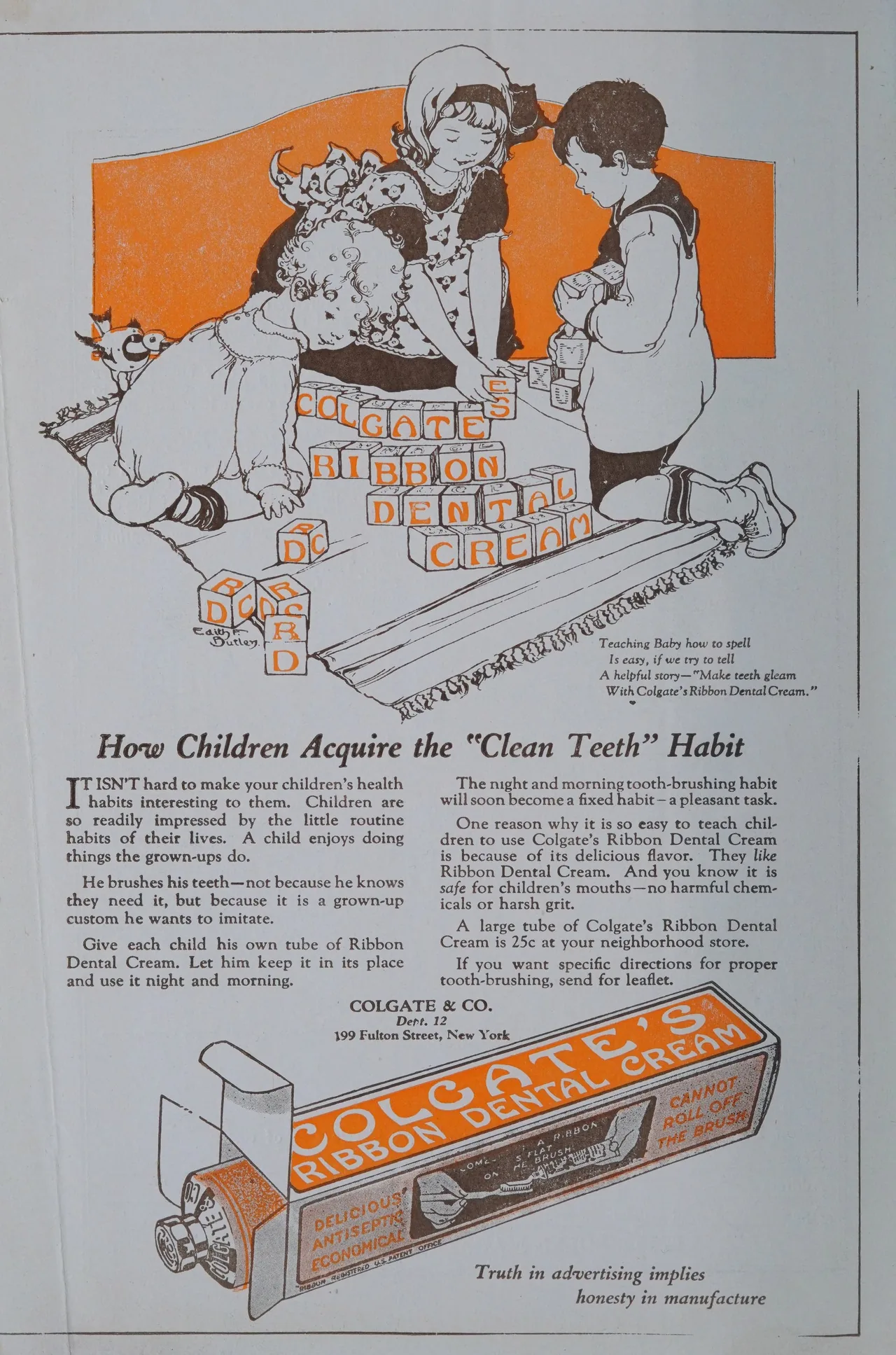
Dental advertising is paid or controlled promotion intended to influence a person's choice of a dental service, practice, product, or related action. The label covers more than a short ad. The headline, image, targeting, offer, landing page, form, follow-up, comparison, testimonial, and omission all contribute to the impression a reasonable person receives.
A sound campaign begins with a bounded service and audience. It does not begin with a platform budget or a promise of leads. The practice should be able to explain why the service may be advertised, what evidence supports each claim, where the ad may run, who can receive it, and what safe response follows.
Identify every rule layer
Advertising duties vary by country, state or province, professional regulator, service, audience, and medium. Platform policy adds another layer but does not replace law or professional standards. Create a campaign rule sheet for every target location and review it when creative, targeting, landing pages, or services change.
| Layer | Review question | Owner |
|---|---|---|
| Consumer law | Is the overall impression truthful and supported? | Legal or compliance reviewer |
| Professional rules | Are titles, services, and comparisons permitted? | Responsible dental professional |
| Privacy | May these data be collected and used? | Privacy owner |
| Platform | Is the ad and destination eligible here? | Campaign operator |
| Accessibility | Can people perceive and use the journey? | Accessibility reviewer |
| Operations | Can the practice deliver the advertised response? | Service owner |
Write a claim register first
List every express and implied claim about results, safety, pain, speed, price, availability, credentials, superiority, technology, convenience, or scarcity. For each, record the exact wording, evidence, reviewer, population, outcome, material limits, approval date, and expiration trigger. Include the image and destination because they can alter meaning.
The FTC's Advertising Substantiation Policy Statement explains the Commission's view that advertisers must have a reasonable basis for objective claims before dissemination. The appropriate support depends on factors such as the claim, product, consequences of error, benefits of truth, cost of substantiation, and what experts expect. It is U.S. policy guidance, not a campaign approval.
A source must match the actual claim. Evidence about average short-term color change does not prove a permanent result, a specific number of shades, suitability for everyone, or a pain-free process. If the source uses a narrower population or outcome, narrow the ad and show the limitation where it affects the reader's decision.
Define an eligible audience
Describe the audience by service area, language, broad need, and stage in the decision. Avoid inferring a sensitive condition from browsing or list data unless the law, professional duty, platform, and approved privacy design clearly allow it. Exclude staff, agencies, existing suppressions, ineligible locations, and known unsuitable groups where possible.
Audience size is not the goal. The goal is a group for whom the message is relevant and the service can respond. Document inclusion and exclusion logic, data source, refresh time, platform expansion settings, and any automated optimization that can move beyond the original definition.
Choose the campaign job
| Job | Ad promise | Destination task |
|---|---|---|
| Awareness | The practice offers a defined service | Review accurate orientation |
| Access | A location or public feature is available | Check route, hours, or accommodations |
| Consultation | A stated discussion is available | Request an appropriate contact |
| Education | A general question is answered | Read reviewed information |
| Event | A dated public activity is offered | Confirm terms and register |
| Recruitment | A specific role is open | Review duties and apply |
Do not mix jobs casually. A prevention message that ends in a cosmetic offer may be understood as promotion. An urgent-care headline leading to a generic sales form can create unsafe delay. A price ad whose destination hides material fees changes the promise. The ad and page must tell the same story.
Build creative as a controlled system
Create a message matrix rather than isolated slogans. Rows are claims and audiences; columns are headline, description, image, disclosure, call to action, and destination. Review every combination the platform can assemble. Pin or restrict assets when a limitation must remain next to a claim.
- Name the practice or responsible advertiser clearly
- Use accurate titles and current credentials
- Avoid guaranteed, painless, permanent, safest, and best claims without proper support
- State material offer terms where people need them
- Label sponsored or paid relationships clearly
- Do not stage a patient result as documentary evidence
- Use readable text and meaningful image alternatives
- Keep urgent directions outside promotional pressure
Every image needs a rights record and an impression review. Before-and-after pictures require particular care because lighting, angle, editing, selection, and individual variation can imply a typical result. A disclaimer cannot rescue an image whose main impression is false or unreasonable.
Make the destination match
The landing page should repeat the real service, location, audience, and material conditions without forcing a visitor to hunt. It needs a clear identity, current contact route, privacy explanation, accessible form, honest next step, and working alternative channel. Test it while signed out, with a phone, keyboard, zoom, and images blocked.
Collect only the information needed for the public task. Do not ask for symptoms or detailed health histories merely to qualify a marketing lead. Move sensitive discussion into an approved process. Identify who monitors responses, expected hours, escalation rules, and what happens when capacity is full.
Set a bounded budget and stop rules
| Control | Before launch | Stop condition |
|---|---|---|
| Spend | Daily and total cap | Unexpected acceleration |
| Geography | Verified service area | Material out-of-area delivery |
| Claims | Approved register | Unsupported combination |
| Destination | Task test passed | Broken or mismatched route |
| Capacity | Response coverage | Backlog exceeds safe limit |
| Safety | Complaint and incident owner | Privacy or patient-safety concern |
Start with a small cohort and enough time to inspect the full journey. Confirm what the platform changed during optimization. Pause when the system expands targeting, rewrites assets, or selects a destination outside the approved set. A lower cost per lead is not useful if the practice cannot explain how the ad was delivered.
Measure from exposure to care capacity
Impressions, clicks, and platform conversions are operating signals. Reconcile them with valid calls, complete public forms, suitable inquiries, scheduled consultations, attendance, cancellations, response time, and service capacity. Mark unmatched records and remove duplicates under a documented method.
| Stage | Measure | Limit to show |
|---|---|---|
| Delivery | Eligible impressions and spend | Platform scope |
| Response | Valid clicks, calls, and forms | Bots and duplicates |
| Qualification | Suitable inquiry share | Staff coding consistency |
| Access | Scheduled and attended contacts | Maturation window |
| Economics | Cost by mature outcome | Unassigned overhead |
| Trust | Complaints, corrections, opt-outs | Reporting coverage |
Use a stated attribution window and show counts beside rates. Platform credit does not prove that the ad alone caused the result. Season, reputation, organic discovery, referrals, staff behavior, pricing, and capacity can influence the same journey. Report the definition used, not just the number.
Review agencies and automation
The practice should own the ad account or retain enforceable access, know every linked manager, control billing, approve claims, and receive raw exports. Give vendors the minimum permissions. Remove access, tracking, audiences, and creative when an engagement ends. Never accept a guarantee of placement or patient volume as proof of competence.
Generated assets require the same claim, rights, privacy, and impression review as human drafts. Preserve inputs and edits when they matter to accountability. Do not use a synthetic person to imply a real patient result or a clinician endorsement.
Close every campaign with a decision
At the end of the maturation window, record the campaign version, audience, spend, delivery, response, suitable outcomes, capacity effect, complaints, incidents, limitations, and decision. The decision can be continue, revise, narrow, test, or stop. Save the evidence needed to understand it later.
Dental advertising works when people receive a truthful message, reach a usable destination, and enter an appropriate service process without hidden pressure or unnecessary data collection. A campaign should be judged by that whole path, not by the most flattering dashboard card.
Verify dental advertising before release
For dental advertising, the GAO evaluation design guide explains how evaluation questions, evidence needs, and design choices fit together. The guide is written for federal program evaluation. Use its design discipline as a check on the method, not as proof that a marketing result is causal or transferable.
The W3C Privacy Principles statement gives system designers a shared vocabulary for privacy and warns against shifting privacy work onto individuals. Apply that principle to the data flow behind dental advertising. It does not replace the law, contract terms, consent analysis, or a review of the actual configuration.
The GOV.UK technology selection guidance recommends choices that can change over time, preserve data control, address security risk, and include ownership cost. Those public-service rules become useful buying questions for dental advertising, but they are not private-sector mandates or product endorsements.
Apply these checks to the actual dental advertising workflow. Record the tested data, roles, product versions, exceptions, and approval date. Repeat the review after a material source, model, access, contract, or decision change. The added sources define separate evaluation, privacy, and operating questions; none certifies the local implementation or supplies a guaranteed marketing result.
Common questions
Can a platform approve a dental claim for the practice?
No. Platform eligibility does not establish legal, professional, clinical, or factual compliance. The practice retains accountable review.
Should every campaign optimize for leads?
No. Choose a goal that matches the job and measure suitable mature outcomes, capacity, cost, and safety.
Can an ad use before-and-after images?
Rules vary. Review consent, rights, editing, selection, typicality, implied claims, placement, and jurisdiction before use.
When should an ad be paused?
Pause for unsupported claims, wrong targeting, broken destinations, privacy or safety concerns, uncontrolled spend, or response demand the practice cannot serve.